



Know performance, backtest now
Combine other Algos and compare portfolio stability.

Algo Score - It's a single number that summarizes an Algo's overall performance by combining returns, risk, volatility, drawdowns, and consistency. A higher score indicates stronger, more stable, and better risk-adjusted performance.
Algo Score - It's a single number that summarizes an Algo's overall performance by combining returns, risk, volatility, drawdowns, and consistency. A higher score indicates stronger, more stable, and better risk-adjusted performance.

Correlation metrics will be calculated once the algorithm has enough overlapping historical data with other strategies.
This graph compares the Algo's best and worst performance over time, showing how returns can vary depending on when you start using the Algo.
Hover to see parameter details.
Click to see parameter details.

Avg Drawdown
Indicates the average decline the strategy experiences in downturns, revealing how deep its typical losses go.
--

Risk : Reward
Indicates how much the Algo typically earns for every rupee it risks. E.g., 1:3 means it targets ₹3 in reward for every ₹1 of risk.
--

Avg Trade
Indicates how often the Algo trades on average.
--

Risk
Indicates the expected volatility of the Algo and is classified into levels like Low, Medium, and High.
--

Max Drawdown
Indicates the largest decline the Algo has faced so far, reflecting its most severe historical downturn.
--

Success Ratio
Indicates the percentage of trades that end in profit. E.g., 70% means 7 out of 10 trades are winners.
--

Avg Profit in Trade
Indicates the average gain the Algo earns on its winning trades.
--

Avg Loss in Trade
Indicates the average loss the Algo incurs on its losing trades.
--

Avg Time to Recovery
Indicates the average number of days the Algo took to bounce back after experiencing its average drawdown.
--

Max Time to Recovery
Indicates the number of days the Algo took in the past to recover from its worst drawdown to date.
--

Sharpe Ratio
Indicates how well an Algo balances risk and return, showing how effectively it manages volatility.
--
*Metrics/Analytics basis past data. Historical data does not guarantee future results.
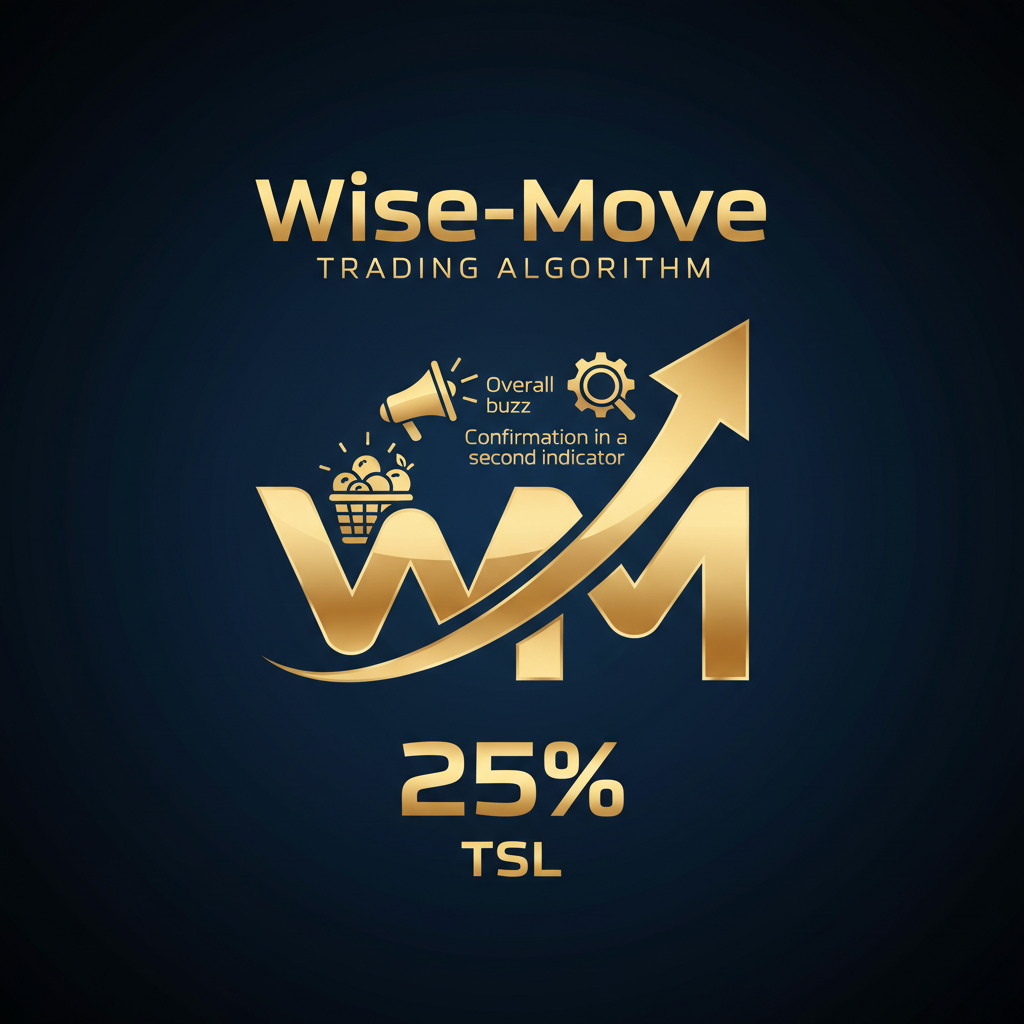
Imagine a savvy shopper at a farmer's market who's looking for the ripest fruits, but only buys if they spot a unique combination of signals. First, they check the overall buzz—are lots of other shoppers excitedly grabbing that particular fruit? Then, they look for confirmation in a second indicator of quality, like checking for a specific coloration or scent. Finally, they only commit if prices have recently dipped a bit, suggesting a good deal. If all these align, they quickly grab a small amount, but set a mental alarm: if the price drops too much after they buy, they’ll cut their losses and run, but if it rises, they'll gradually raise their alarm, locking in more profit as the fruit gets riper. This algorithm trades naked options on the NIFTY 50 index, essentially betting on whether the price of the index will go up or down. To decide whether to buy a call (betting the price will go up) or a put (betting the price will go down), it looks at a combination of factors, including the implied volatility skew (the difference in price between call and put options), changes in that skew, recent price movements of the underlying index, and the relative trading volume between call and put options. If these indicators align in a way that suggests a strong upward or downward trend, the algorithm buys a single option. It then sets a stop-loss order to limit potential losses to 25% of the option's price, and may adjust this stop loss to lock in profit if the trade moves in its favor.

INH000009180 SEBI registered algo provider


Stratzy is a place where you can get tailored guidance for your portfolio to help you make the right investments. Gain access to battle tested algos, automation of your investments and insights about the market, right in the palm of your hand. Your wealth generation begins here.
More algos by Stratzy