



Know performance, backtest now
Combine other Algos and compare portfolio stability.

Algo Score - It's a single number that summarizes an Algo's overall performance by combining returns, risk, volatility, drawdowns, and consistency. A higher score indicates stronger, more stable, and better risk-adjusted performance.
Algo Score - It's a single number that summarizes an Algo's overall performance by combining returns, risk, volatility, drawdowns, and consistency. A higher score indicates stronger, more stable, and better risk-adjusted performance.

Correlation metrics will be calculated once the algorithm has enough overlapping historical data with other strategies.
This graph compares the Algo's best and worst performance over time, showing how returns can vary depending on when you start using the Algo.
Hover to see parameter details.
Click to see parameter details.

Avg Drawdown
Indicates the average decline the strategy experiences in downturns, revealing how deep its typical losses go.
--

Risk : Reward
Indicates how much the Algo typically earns for every rupee it risks. E.g., 1:3 means it targets ₹3 in reward for every ₹1 of risk.
--

Avg Trade
Indicates how often the Algo trades on average.
--

Risk
Indicates the expected volatility of the Algo and is classified into levels like Low, Medium, and High.
--

Max Drawdown
Indicates the largest decline the Algo has faced so far, reflecting its most severe historical downturn.
--

Success Ratio
Indicates the percentage of trades that end in profit. E.g., 70% means 7 out of 10 trades are winners.
--

Avg Profit in Trade
Indicates the average gain the Algo earns on its winning trades.
--

Avg Loss in Trade
Indicates the average loss the Algo incurs on its losing trades.
--

Avg Time to Recovery
Indicates the average number of days the Algo took to bounce back after experiencing its average drawdown.
--

Max Time to Recovery
Indicates the number of days the Algo took in the past to recover from its worst drawdown to date.
--

Sharpe Ratio
Indicates how well an Algo balances risk and return, showing how effectively it manages volatility.
--
*Metrics/Analytics basis past data. Historical data does not guarantee future results.
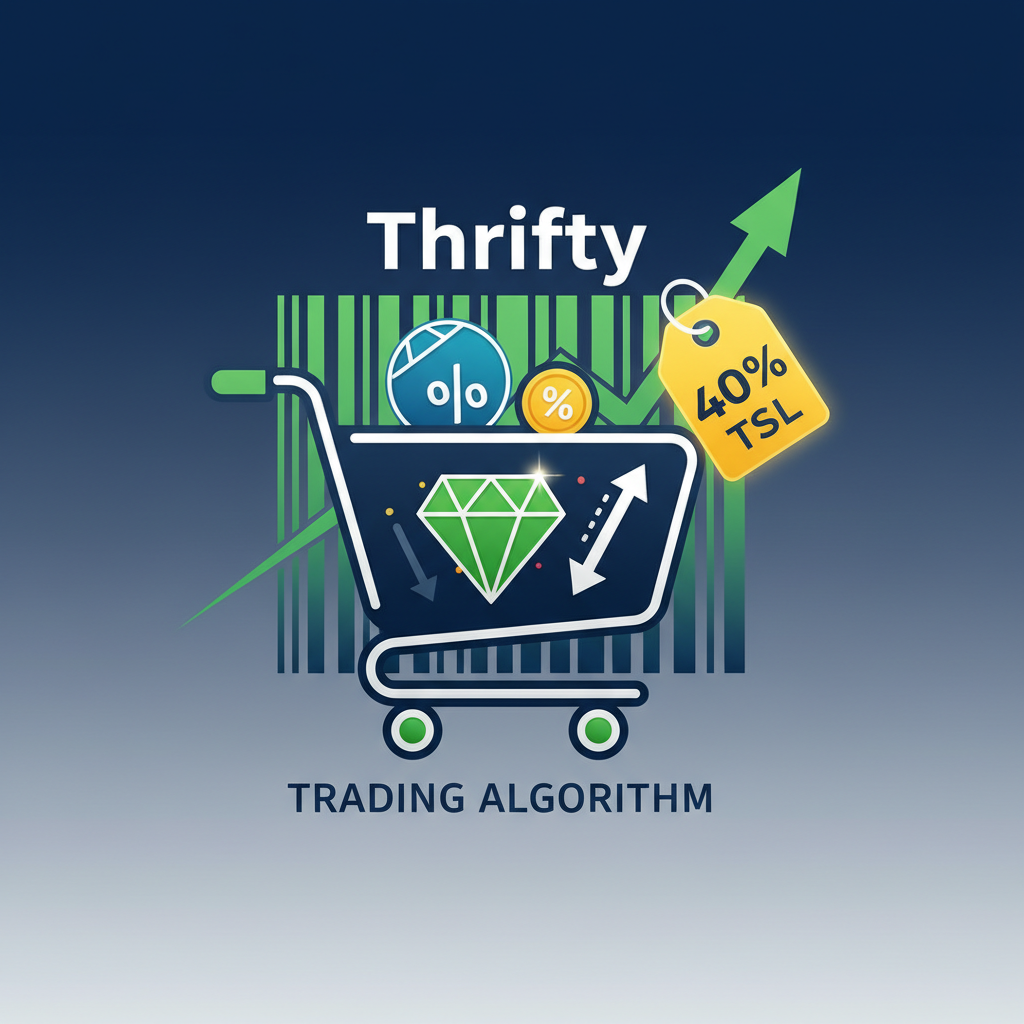
Imagine this algorithm as a diligent shopper constantly scanning the digital shelves of a grocery store for flash sales. It's not interested in buying staples; instead, it's hunting for short-dated items marked down because they're nearing their expiration date. It doesn't impulsively grab everything cheap, though. It first checks a few key indicators: is the store crowded (market sentiment), is the item *really* on sale compared to its usual price (predicted volatility), and does it feel like others are overly pessimistic about the food going bad (implied volatility skew)? Only if all these signals align will our shopper toss a single unit of that item into the basket, always aware of how much total money is at risk, and quickly setting a stop-loss to protect profits if the price moves against them. This algorithm trades naked call or put options on the Nifty 50 index. It constantly monitors market data for specific conditions that indicate a potential short-term price movement. It only considers taking a position if two different "alpha" signals agree *and* the change in predicted volatility, recent market returns, and implied volatility skew all point in the same direction. It uses a small amount of its risk capital and enters a single trade, instantly setting a stop-loss at a percentage below the entry price to limit potential losses. It then looks for a profit target a percentage above its stop loss. If the price moves in its favor, it adjusts the stop loss to maintain a fixed risk level and potentially secure profit.

INH000009180 SEBI registered algo provider


Stratzy is a place where you can get tailored guidance for your portfolio to help you make the right investments. Gain access to battle tested algos, automation of your investments and insights about the market, right in the palm of your hand. Your wealth generation begins here.
More algos by Stratzy